Cannabis และ cannabinoids ชนิดที่ใช้เป็นยาในบางประเทศ
by Admin
Posted on 11-10-2023 02:13 PM
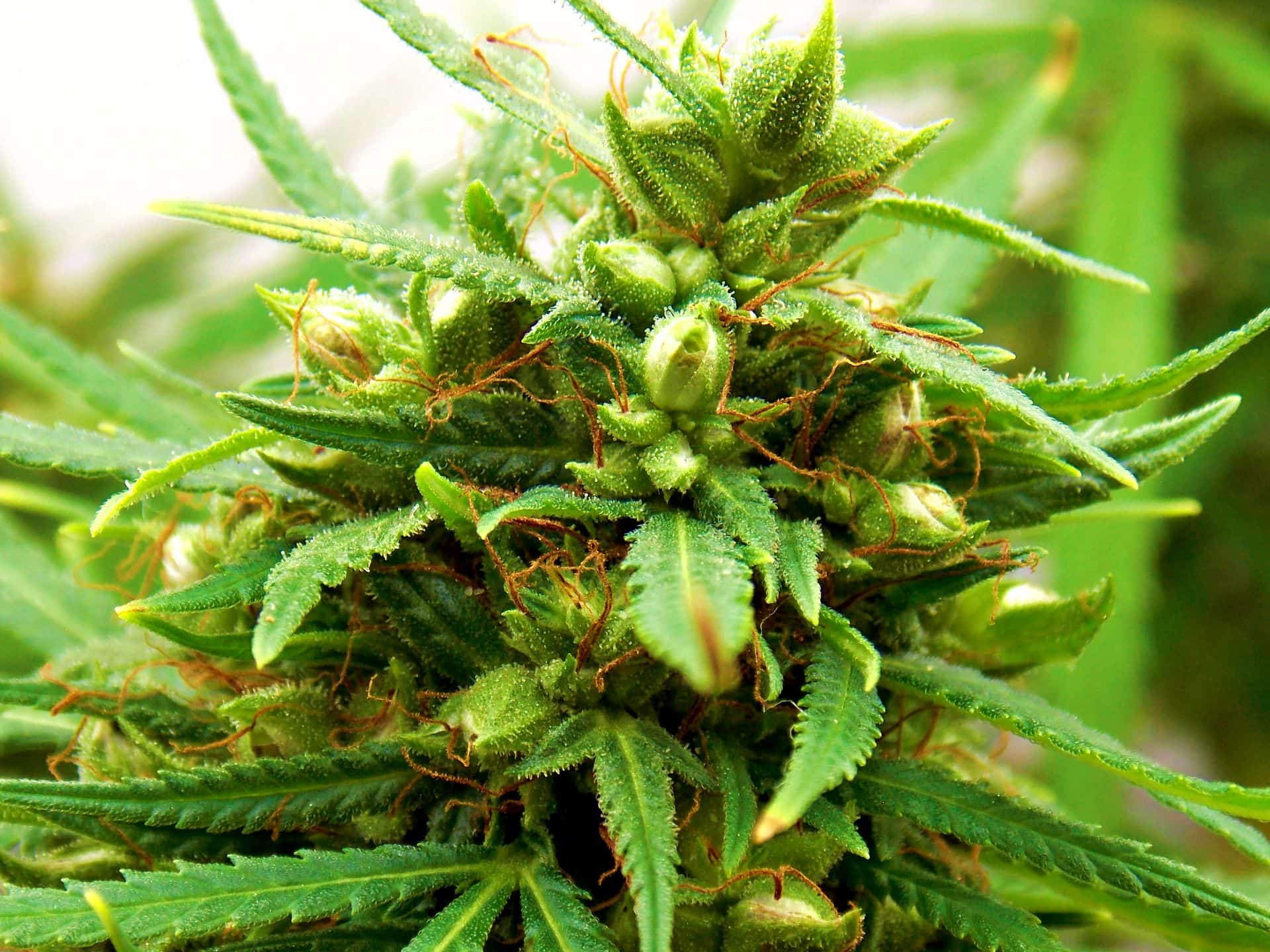
กัญชา (cannabis) ในที่นี้หมายถึงสิ่งที่มาจากพืชกัญชา (cannabis
plant
หรือ cannabis sativa l. Plant) ทั้งชิ้นส่วนของพืชและสารธรรมชาติในพืชกัญชา ในบ้านเรากัญชาเป็นยาเสพติดให้โทษประเภท 5 (ตามพระราชบัญญัติยาเสพติดให้โทษ พ. ศ.
 2522) แต่อนุญาตให้ปลูกพืชกัญชาสำหรับใช้เพื่อทดลองประโยชน์ทางการแพทย์ได้ และในกรณีที่จำเป็นสามารถนำกัญชามาใช้ประโยชน์ทางการแพทย์ได้ คาดว่าจะมีน้ำมันกัญชาออกมาใช้ทางการแพทย์อย่างถูกต้องตามกฎหมายในเร็วๆ นี้ ที่ผ่านมาในบางประเทศมีผลิตภัณฑ์กัญชา (cannabis preparations) ที่ใช้เป็นยาแบบไม่ได้ผ่านการอนุมัติทะเบียนตำรับ (ดูรูป) มีทั้งชนิด raw cannabis ซึ่งใช้ยอดช่อดอก เรซิน น้ำมัน หรือสารสกัด เป็นต้น จาก raw cannabis นี้เภสัชกรอาจนำมาปรุงเป็นตำรับตามใบสั่งยาสำหรับผู้ป่วยเฉพาะราย (magistral preparations) นอกจากนี้อาจนำ raw cannabis มาทำเป็นผลิตภัณฑ์ที่มีมาตรฐานขึ้นและผลิตเป็นจำนวนมากโดยโรงงานอุตสาหกรรม (standardised cannabis preparations) โดยอาจทำเป็นกัญชาบรรจุแคปซูล น้ำมันกัญชาสกัด อย่างไรก็ตามชนิดและปริมาณสารสำคัญในผลิตภัณฑ์เหล่านี้มีความหลากหลายมาก ขึ้นกับสายพันธุ์พืช วิธีการปลูก สภาพแวดล้อม ตลอดจนการเก็บรักษา จึงยากที่จะทดสอบด้านประสิทธิภาพในการรักษาความเจ็บป่วย
cannabinoids หมายถึงสารต่างๆ ที่จับได้กับตัวรับจำเพาะในร่างกาย (cannabinoid receptors) อาจเป็นสารที่มาจากพืชกัญชา (plant-derived cannabinoids หรือ phytocannabinoids) หรือสารสังเคราะห์ (synthetic cannabinoids) สารเหล่านี้มีฤทธิ์ต่อจิตและประสาท ในร่างกายมี cannabinoids ด้วยเช่นกัน (endocannabinoids) ในพืชกัญชามี cannabinoids กว่า 140 ชนิด ซึ่ง tetrahydrocannabinol (thc) และ cannabidiol (cbd) เป็นชนิดที่มีการศึกษากันมาก ส่วนชนิดที่เป็นสารสังเคราะห์อาจมีโครงสร้างเหมือนหรือแตกต่างจาก cannabinoids ที่พบในพืชกัญชา ในการจัดประเภทตามกฎหมายนั้น สารสังเคราะห์แม้เป็นชนิดเดียวกันกับที่พบตามธรรมชาติในพืชกัญชาแต่ไม่ได้จัดเป็นยาเสพติดให้โทษประเภท 5 เช่น thc ชนิดสังเคราะห์ (กรณีไม่ได้ใช้ประโยชน์ทางยา) จัดเป็นวัตถุออกฤทธิ์ในประเภท 1 (ตามพระราชบัญญัติวัตถุที่ออกฤทธิ์ต่อจิตและประสาท พ. ศ.
2522) แต่อนุญาตให้ปลูกพืชกัญชาสำหรับใช้เพื่อทดลองประโยชน์ทางการแพทย์ได้ และในกรณีที่จำเป็นสามารถนำกัญชามาใช้ประโยชน์ทางการแพทย์ได้ คาดว่าจะมีน้ำมันกัญชาออกมาใช้ทางการแพทย์อย่างถูกต้องตามกฎหมายในเร็วๆ นี้ ที่ผ่านมาในบางประเทศมีผลิตภัณฑ์กัญชา (cannabis preparations) ที่ใช้เป็นยาแบบไม่ได้ผ่านการอนุมัติทะเบียนตำรับ (ดูรูป) มีทั้งชนิด raw cannabis ซึ่งใช้ยอดช่อดอก เรซิน น้ำมัน หรือสารสกัด เป็นต้น จาก raw cannabis นี้เภสัชกรอาจนำมาปรุงเป็นตำรับตามใบสั่งยาสำหรับผู้ป่วยเฉพาะราย (magistral preparations) นอกจากนี้อาจนำ raw cannabis มาทำเป็นผลิตภัณฑ์ที่มีมาตรฐานขึ้นและผลิตเป็นจำนวนมากโดยโรงงานอุตสาหกรรม (standardised cannabis preparations) โดยอาจทำเป็นกัญชาบรรจุแคปซูล น้ำมันกัญชาสกัด อย่างไรก็ตามชนิดและปริมาณสารสำคัญในผลิตภัณฑ์เหล่านี้มีความหลากหลายมาก ขึ้นกับสายพันธุ์พืช วิธีการปลูก สภาพแวดล้อม ตลอดจนการเก็บรักษา จึงยากที่จะทดสอบด้านประสิทธิภาพในการรักษาความเจ็บป่วย
cannabinoids หมายถึงสารต่างๆ ที่จับได้กับตัวรับจำเพาะในร่างกาย (cannabinoid receptors) อาจเป็นสารที่มาจากพืชกัญชา (plant-derived cannabinoids หรือ phytocannabinoids) หรือสารสังเคราะห์ (synthetic cannabinoids) สารเหล่านี้มีฤทธิ์ต่อจิตและประสาท ในร่างกายมี cannabinoids ด้วยเช่นกัน (endocannabinoids) ในพืชกัญชามี cannabinoids กว่า 140 ชนิด ซึ่ง tetrahydrocannabinol (thc) และ cannabidiol (cbd) เป็นชนิดที่มีการศึกษากันมาก ส่วนชนิดที่เป็นสารสังเคราะห์อาจมีโครงสร้างเหมือนหรือแตกต่างจาก cannabinoids ที่พบในพืชกัญชา ในการจัดประเภทตามกฎหมายนั้น สารสังเคราะห์แม้เป็นชนิดเดียวกันกับที่พบตามธรรมชาติในพืชกัญชาแต่ไม่ได้จัดเป็นยาเสพติดให้โทษประเภท 5 เช่น thc ชนิดสังเคราะห์ (กรณีไม่ได้ใช้ประโยชน์ทางยา) จัดเป็นวัตถุออกฤทธิ์ในประเภท 1 (ตามพระราชบัญญัติวัตถุที่ออกฤทธิ์ต่อจิตและประสาท พ. ศ.
ความสับสนเกี่ยวกับความแตกต่างระหว่าง hemp, cannabis และ marijuana ทั้งสามมีที่มาจากสายพันธ์เดียวกันคือ cannabis sativa, ส่วนสายพันธ์ cannabis indica นั้นเป็นสายพันธ์ที่ถูกปลูกในอินเดีย ทุกวันนี้เกือบทุกสายพันธุ์ของกัญชาที่ใช้ทางการแพทย์เป็นสายพันธุ์ผสมของ indica และ sativa เช่น พันธุ์ cannabis ruderalis,สายพันธุ์ cannabis americana ที่ผลิตโดยบริษัทยา eli lilly&parke davis มนุษย์เราอยู่ร่วมกับกัญชาอย่างน้อย 12,000 ปีมาแล้ว มนุษย์เปลี่ยนแปลงกัญชาและกัญชาก็เปลี่ยนแปลงมนุษย์ คล้ายๆกับการเพาะเลี้ยงสายพันธุ์สุนัข บรรพบุรุษของสุนัขคือหมาป่า canis lupus สุนัขในปัจุบันมีชื่อทางวิทยาศาตร์เป็นภาษาลาติน จากชิวาวาที่มีขนาดเล็กไปจนถึงพันธุ์ wolfhoundไอริชขนาดใหญ่เป็นผลจากการเพาะข้ามสายพันธุ์ที่กำกับโดยมนุษย์ ตัวอย่างง่ายๆใกล้ตัวให้เห็นภาพคล้ายๆ ส้ม(orange),lime(lime),มะนาว(lemon)(lemon),grapefruit (grapefruit), ส้มโอ(pamelo),มะกรูด(kaffir lime) พืชคนละชนิดกันแต่ทั้งหมดอยู่ในสายพันธุ์ตระกูล citrus เหมือนกัน เกิดจากการผสมข้ามสายพันธุ์ที่เรียกว่า artificial hybrids เกิดได้โดยธรรมชาติและจากการกำกับโดยมนุษย์เช่นเดียวกับกัญชา hemp, cannabis และmarijuana คือพืชที่อยู่ในตระกลูเดียวกัน ผสมข้ามสายพันธุ์ไปมาได้สายพันธ์ใหม่ๆอีกมากมาย ซึ่ง hemp และ marijuana เป็นสายพันธ์ที่เป็นที่นิยมและเป็นรู้จักมากที่สุด ในพืชตระกูล cannabis ลักษณะเฉพาะ hemp:มีมา 3000 ปีแล้ว,ในปี 1883 hempเป็นพืชที่มีการปลูกเพื่อการเกษตรมากที่สุดในโลก george washington และ thomas jeffersonต่างก็ปลูก hemp, benjamin franklin ก็เป็นเจ้าของโรงงานทำกระดาษจากhemp,ใบประกาศอิสรภาพของสหรัฐฯก็ถูกเขียนลงบนกระดาษhemp ในภาษาไทยเมื่อพูดถึง hemp มันหมายถึง"กัญชง" hemp เป็นสินค้าหลากหลายในทางพาณิชย์ กระดาษ,ผ้าทอ,เสื้อผ้า,biodegradable plastics,สี,น้ำมัน,เชื้อเพลิง และเป็นอาหารสัตว์ hemp มีลำต้นสูงยาวชะลูดตั้งตรง marijuana ต้นเป็นพุ่ม ออกดอกมากๆ และส่วนมากจะใช้ในทางการแพทย์ และทางความเชื่อจิตวิญญาณ พืชตระกูล cannabis มีสาร cannabinoids (จากการวิจัยพบว่ามีถึง 60 ประเภทของ cannabinoids) cannabinoids ที่เป็นที่รู้จักมากที่สุดคือ tetrahydrocannabinol(thc) เนื่องจาก marijuana มีระดับของสาร thc ในปริมาณสูงขณะที่ hemp มีค่าระดับของthc ต่ำกว่า นี่คือข้อแตกต่างที่เด่นชัดสามารถบ่งบอกได้ว่าอันไหนคือ hemp,อันไหนคือ marijuana เช่นในประเทศแคนาดา กำหนดปริมาณ thc สูงสุดที่0. 3% คือ hemp ถ้าหากว่าค่า thc สูงกว่า 0.
Cannabis as a gateway drug
See also: gateway drug effect
the gateway hypothesis states that cannabis use increases the probability of trying "harder" drugs.
The hypothesis has been hotly debated as it is regarded by some as the primary rationale for the united states prohibition on cannabis use. A pew research center poll found that political opposition to marijuana use was significantly associated with concerns about the
health
effects and whether legalization would increase cannabis use by children. Some studies state that while there is no proof for the gateway hypothesis, young cannabis users should still be considered as a risk group for intervention programs.
Laced cannabis and synthetic cannabinoids
People do this by mixing it into cakes (hash brownies), tea, yoghurt or sweets (gummies/lollipops). The amount of cannabis in these products can vary greatly and sometimes – especially in sweets – other harmful drugs (particularly synthetic cannabinoids ) are added or used instead. The effects of consuming edibles are unpredictable and it can be very easy to accidentally take a larger dose than you wanted to.
Cannabis: a schedule i substance: having no current accepted medical use in the united states and a high potential for misuse, cannabis is a schedule i controlled substance. Click here to review detailed descriptions of each drug schedule. Marijuana dispensaries: in a variety of vending machines, it is common to find marijuana packed at maturity, marijuana candies, marijuana gum, and sometimes marijuana cigarettes. Current medical use: research over the years has resulted in the development and marketing of the dronabinol (synthetic thc) product, marinol®, for the control of nausea and vomiting caused by chemotherapeutic agents used in the treatment of cancer and to stimulate appetite in aids patients.
Just as synthetic drugs can help some conditions and not others, marijuana isn’t a one-size-fits-all line of treatment. It’s thought that marijuana’s benefits come from some of its compounds called cannabinoids, such as cannabidiol (cbd). Cbd is one of the most widely studied cannabinoids in marijuana. Cbd is also found in another related plant called hemp. One major difference between cbd and marijuana is that the former only contains a trace amount of the cannabinoid tetrahydrocannabinol (thc). This compound is best known for its hallucinogenic effects on the brain. Cannabis plants may contain up to 40 percent cbd. Cbd is thought to have anti-inflammatory effects on the central nervous system.
Increasingly potent, uncontrolled synthetic cannabinoids (ie, amb- or emb-fubinaca) are being consumed via vapor pens, e-cigarettes, and herbal mixtures. These compounds mimic the effects of tetrahydrocannabinol (thc). They can be 85 times as potent as thc and their use has resulted in more frequent reports of fatal and non-fatal poisonings. Toxicities appear to be dose-dependent and most often manifest as agitation, anxiety, drowsiness, hallucinations, nausea, vomiting, and tachycardia. Seizures, loss of consciousness, cardiotoxicity, heart attack, renal toxicity, psychosis, and death are less common. There is a lack of consensus regarding the risk of lung cancer from smoked cannabis or the risk of psychotic events from consumption of oral cannabis preparations.